Manage takes the pain out of Health and Safety. We handle it all – from ACC claims, training and safety gear – We’ll keep you compliant, keep your workers safe, and keep you focused on getting the job done.
We are a New Zealand and Australia’s risk management experts. We specialise in Government compliance such as ACC and Worksafe in New Zealand and Workers Comp and WorkSafe in Australia. In New Zealand, we typically end up ‘clawing’ back premium from ACC, due to bad processes - both with ACC and with the employer. Our present average saving hovers around the 41%.
Our main motivation is to ensure businesses are treated fairly and equitably. This begins with making sure you understand exactly what is happening, and where you stand. And that is what we do - translate Government speak into plain English.
We are proud to say we are specialists in this field because we live and breathe it. Not all of us know how to drive a truck, how to pour concrete, or how to operate a chainsaw, but someone in the business does. And we know exactly how to ensure your business is set up in the best position to do these things.
We cover all of New Zealand and Australia. No matter where you are we can support you in growing your business by making compliance work for you. Our system allows us to do the work remotely using the phone, internet and depending on cell coverage, homing pigeon.
check out our free webinars
In this webinar we dive into contractor management. We cover the good, the bad, and, well, we share with you what we think works. A practical session where we cover Worksafe's guidelines; what is deemed best practice; what is really happening; and how you can save yourself a lot of time and money by applying our approach.
manageacc
ACC Brokering, Claims Management including Occupational and Allied Health.
Lower your ACC levies with a ‘success’ fee-based service. We take the same information that ACC uses to set your current ACC levy and evaluate this data. Our team also support you with getting the team through health monitoring, claims management, with confidence and experience. We cut the jargon and believe in prompt action.
In over 95% of cases, we find savings (which to date is a massive 41% savings on average). If you think you might be paying too much on your levies, or your experience rating is costing a fortune, get in touch and let our experts see how we can help.
manageosh
Health & Safety consulting covering governance, operational, systems, and more.

We understand health and safety and we love it! We know it is something that plays into managing and lowering your levies and ensures a smooth operation.
Our dedicated and experienced team from all industries provide you with down-to-earth, honest advice and support to allow you to minimise risk and meet compliance requirements. Whether that be through WorkSafe incident investigation support, regular site inspections, chairing your H&S committee meetings, generating accurate and constructive reports, the team are here to help.
Full Health and Safety support
Incident Management (including Worksafe NZ and WHS in AU)
Prequalification management (Tōtika, SiteSafe)
managequals
Bespoke or standalone (NZQA or not) training relating to H&S, ACC, Wellness and more.

From Forklift Operator Certificate courses (completed virtually), to Due Diligence Officer training, we’ve got you covered. We offer a wide variety of training to suit a range of industries and sizes of businesses.
If you and the team prefer in person training courses, no troubles! Just let our team know when and where (fees may apply for travel).
Want a course tailored to your industry or company specifically? We can set up a tailored training plan customised to you, making sure you and the team get the most from the time away from the tools/site.
This course is designed for individuals working in paint and panel repair, vehicle workshops, metal finishers, protective coatings, and similar industries who use, decant, unpack, move, fill, store, load, or ship dangerous goods as part of their daily work. If you use chemicals (or products containing chemicals) in your job, this course covers what you need.
It provides comprehensive training on the safe handling, use, and storage of hazardous substances across all nine classes and their divisions under New Zealand's Globally Harmonised System. Trainees learn how to identify hazards through classification systems, interpret labels and Safety Data Sheets, implement proper storage and segregation procedures, select and use appropriate personal protective equipment, and respond effectively to emergencies.
Who is this course for?
This course is designed for people who use chemicals in workshops (e.g. furniture restoration, panel and paint, powder coating, printing and marine services)
If you do any of the following, you must have dangerous goods handler training:
You work with dangerous chemicals - you use, decant or otherwise are exposed to them in your day-to-day work
You receive dangerous chemicals at your workplace, either as the chemical itself or in another form (e.g. batteries) - you handle the documentation and you organise the storage when they are delivered
You manage people who work with dangerous chemicals - you need to know what they should be doing and if they're doing it right. Maybe you also have broader health and safety responsibilities
You load or unload hazardous chemicals using a forklift or pallet jack - it's important you know what to do in the case of a leak, how to store and segregate them, etc
You manage the storage of dangerous goods in your workplace - you need to know segregation and what to do if things go wrong.
Online Modules Include:
Classifications of dangerous goods, including UN and GHS numbers
Dealing with hazards and risks, including disposal of hazardous goods
The role of people involved with dangerous goods handling
Packaging, labels, pictograms and markings
Load plans and packing certificates
Segregation and storage
Documentation
The course meets the training requirements of NZS 5433 and Regulation 4.5 (see below). Training should be repeated every 2 years.
We recommend you also complete the Spill Control and Spill Kit training course.
Does this course comply with Regulation 4.5?
The course addresses generic principles that apply to groups of similar chemicals in compliance with clause R4.5. Employers must also ensure that workers receive specific information about the particular substances they handle in their workplace. This substance-specific information includes the physico-chemical and health hazards, safe use and handling procedures, storage and disposal requirements, PPE selection and use, and emergency response actions, all of which are detailed in the product's Safety Data Sheet. This course teaches trainees how to locate, read, and apply the information contained in Safety Data Sheets to their daily work with hazardous substances.
With the latest pending changes to our health & safety legislation, Officers (directors, CEOs, senior leaders, partners, trustees) have new / amended duties. This is a great time to refresh and upskill!
Under the Health and Safety at Work Act 2015 (HSWA), due diligence requires officers to take proactive, reasonable steps to ensure their organisation (PCBU) complies with its safety duties. It means actively acquiring health and safety knowledge, understanding risks, and ensuring resources and processes are in place and used to manage hazards.
Good governance isn’t just about financial performance - it’s about creating a safe, sustainable business where people thrive. Under the HSWA, directors and officers have a legal duty to exercise due diligence. This course equips you with the knowledge and practical tools to meet those obligations confidently, protect your people, and safeguard your organisation’s reputation.
In this course you will:
Gain a clear understanding of your legal responsibilities under the HSWA and why they are critical to governance and risk management.
We cover the recent Appeal case from the ex CEO of Ports of Auckland and its implications.
Understand the impact of the current Bill before Parliament that will change our H&S legislation.
We discuss Contractor Prequals (Sitewise, Totika, ISO45001) and their impact on meeting Due Diligence.
Understand how psychological risk is managed under Due Diligence.
Understand the role ACC employer levies can play.
Use tools to identify, measure, and continually improve risks and best practice.
Delivery: Online via TEAMS
Time: 1 hours approx.
Max class size: 12 attendees
NZQA (NZ) units : None
Prerequisite: None
Certificate of completion issued at the end of the training
EWP training is required by WorkSafe for all operators and when external training is done, it should be refreshed every three years. The modules include identifying and managing various hazards found on worksites, the regulations around documentation, permits and maintenance, how to choose the right EWP for the job, how to transport the EWP, and best-practice operation for all types of EWPs.
Produced by experienced trainers, this EWP course has the benefit of decades of EWP experience behind it.
This course has been designed for:
EWP operators in any industry.
Supervisors and managers who need to understand best practice operation.
Tradies and contractors who rent EWPs for specific jobs.
EWP technicians and mechanics.
Practical Assessment:
It is recommended you conduct a practical assessment at the end of this course. This is done at your workplace by your supervisor using your own equpiment. We provide you with a detailed checklist and it meets the requirements of the Health and Safety at Work Act 2015 and WorkSafe. We do not offer practical assessments using our trainers.
FAQ:
What other words describe EWP training?
Scissor lift training, boom lift training, EWP ticket, scissor lift certification, cherrypicker training, scissor lift license and boom lift license.
I send my EWP operators for training at an external company. Isn't this the law?
No, the Health and Safety at Work Act 2015 and WorkSafe's Mobile Elevating Work Platforms Best Practice Guidelines are very clear: You can conduct training however you want, as long as it covers the items under section 6.1 General Training in the Best Practice Guidelines, and section 6.2 Getting to know your MEWP. It recommends working at heights training, too (section 6.4), and explains this must be repeated every three years (section 6.3). Training can be delivered by any means (in person, video, written materials, etc), as long as the material is delivered by a competent person and meets the standard.
The HSWA2015 says that you must follow these guidelines or do it a better way.
What standards must the EWP training meet?
AS2550.10: Cranes, Hoists and Winches – Safe Use – Mobile Elevating Work Platforms.
Are EWP unit standards compulsory?
No. the Best Practice Guidelines say they are one way of demonstrating competency, but are optional.
Do I need an NZQA number for this course?
No, it's not a unit standard course. Unit standards are optional, but if you have them already, you don't need to do them again.
I have a new operator who has never used an EWP before. Can they do this course to become qualified?
They can use this course to learn the theory, but they must have supervised practice with someone who is competent. We have included a practical assessment checklist that should be completed to ensure competence. Once this is successfully completed, it can be submitted to generate the operator's certificate.
What machinery does this course cover?
Self-propelled scissor lifts and boom lifts, vertical mast lifts, trailer-mounted cherry pickers, truck-mounted aerial work platforms. We show a range of machines, primarily from Genie, JLG and Snorkel. The general safety rules around EWPs are mostly the same regardless of the make and model. We highlight the differences where relevant.
How long is the EWP certificate valid for?
Three years, as per WorkSafe's requirements.
What happens if you fail the course the first time?
The course can be repeated as many times as is necessary within the 6-month access window.
Can I use this course as a working at heights course?
EWP training is just one part of a working at heights course; this course doesn't cover everything you need from a working at heights course.
What documents and templates are included in the course?
A practical assessment checklist which includes a pre-start check and job safety analysis sheet, a separate alternative job safety analysis sheet, 2 examples of specification sheets to use with the course, EWP study guide, MEWP Best Practice Guidelines (WorkSafe), Hazard Assessment Checklist (WorkSafe), sample pre-start inspection (WorkSafe), sample rescue plan.
The course covers scissor lift training, boom lift training and cherry picker training.
Whether you're a driver, machine operator, manager, or business owner, it's essential that you know how to manage your own fatigue, and recognise fatigue in others. 15-30% of vehicle accidents have fatigue as the most probable cause, and fatigue and sleepiness are major contributors to accidents in the workplace.
Fatigue is a risk that must be managed under the Health and Safety at Work Act 2015. We've assembled 7 experts to explain fatigue and sleepiness, and how you can manage it in the workplace, whatever type of work you do. This is augmented with over 100 hours of research from our team.
Who is this course for?
Truck drivers
Materials handling operators (forklift, loader, excavator) - especially if on nightshift
Supervisors and managers
Travelling salespeople and service technicians
People concerned about poor sleep patterns or who feel constantly tired.
What will you learn from this course?
What causes fatigue and sleepiness
Why fatigue and sleepiness are two different things
How you can improve your sleep quality
Illnesses and medical conditions that cause or worsen fatigue and sleepiness
Medication and drugs that affect sleepiness
How your diet impacts on your sleep quality and quantity
How to recognise fatigue and sleepiness risks in other workers, drivers and machine operators
How to manage shift workers and other at-risk workers
Your responsibilities to manage fatigue in the workplace as a worker or manager
How to create a fatigue management plan
Technology to assist with sleep and fatigue detection loaded.
Who are the Experts?
Dr Andrew Veale BSc MB ChB FRACP Dip DHMed | Respiratory Physician | Clinical Director | NZ Respiratory & Sleep Institute
Angela Berrill NZRD | Dietitian | Director | ABC Nutrition
Dan Ford MA(Hons), PGDipCBT, Regd NZPsB | Sleep Psychologist | Managing Director | The Better Sleep Clinic Ltd
Fiona Johnston | Occupational therapist | Shiftwork Services
Garry Jones | Driver Trainer | World CrossFit Champion | TR Driver Training
Rachel Lehen | Fatigue Management Consultant | Managing Director | Fit for Duty Ltd
Dr Simon Dean MBChB MSc FRANZCO FBCLA | Ophthalmologist | Counties Manukau Health
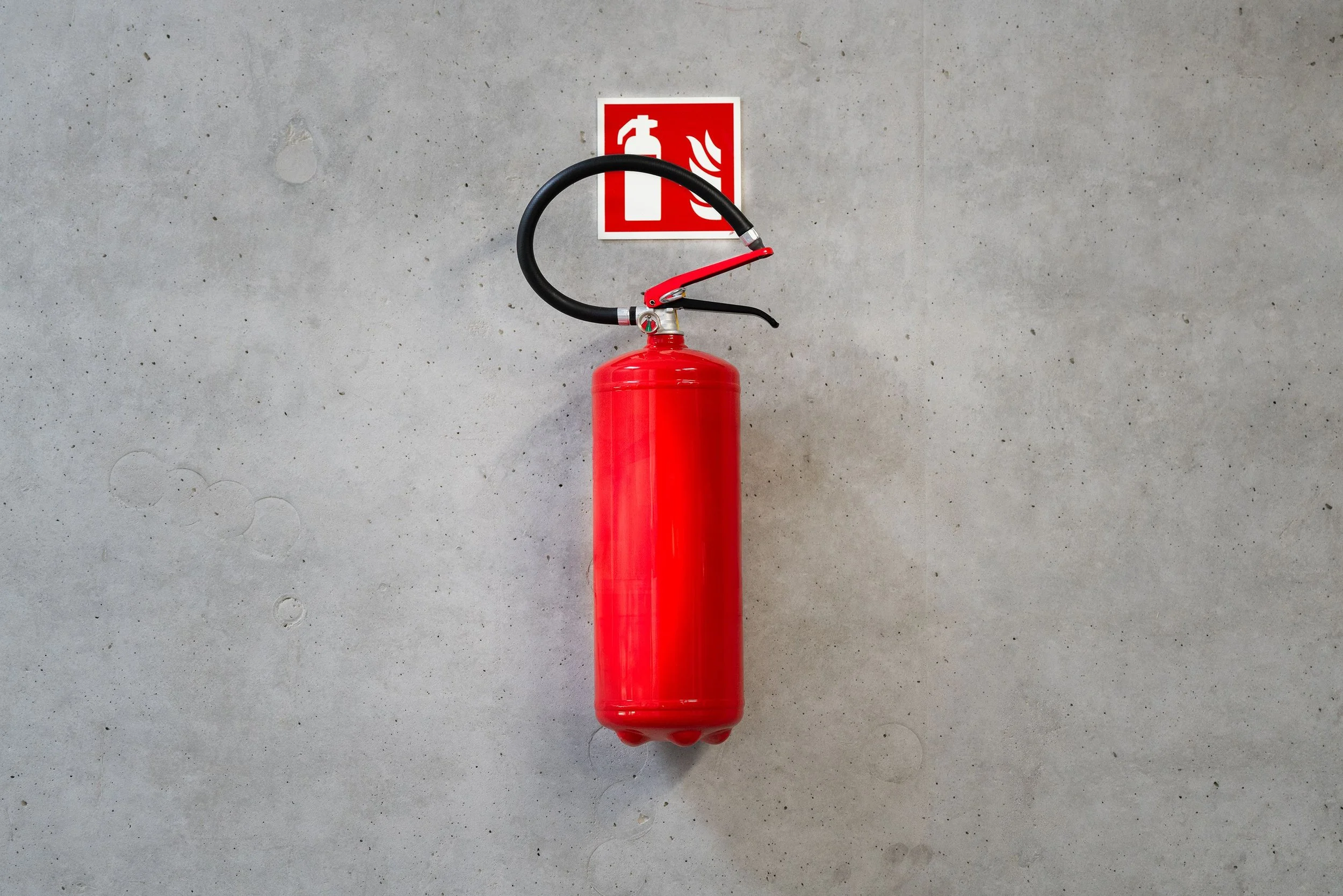
Fire can break out anywhere - in a workshop, warehouse, office, vehicle, yard, or on the road. When it happens, your team must know exactly what to do within seconds. This comprehensive fire extinguisher training course gives your team members the confidence and competence to respond safely, effectively, and without panic.
Designed for businesses like yours, whether you're in transport and logistics, construction, labs, retail, hospitality, trades, manufacturing or agriculture, this course delivers the practical, scenario-based knowledge your people need to protect themselves, protect others, and minimise damage.
Most online fire extinguisher courses are a basic overview. This course is different. It’s full of clear, engaging, video-based training that goes deeper.
This course gives your team real-world competence, not just a certificate. It will refresh unit standards 3271 and 4647.
Delivery: Online
Time: 1 hour approx.
NZQA (NZ): No, but covers Unit Standards 3271 and 4647
Prerequisite: None
Certificate provided upon completion
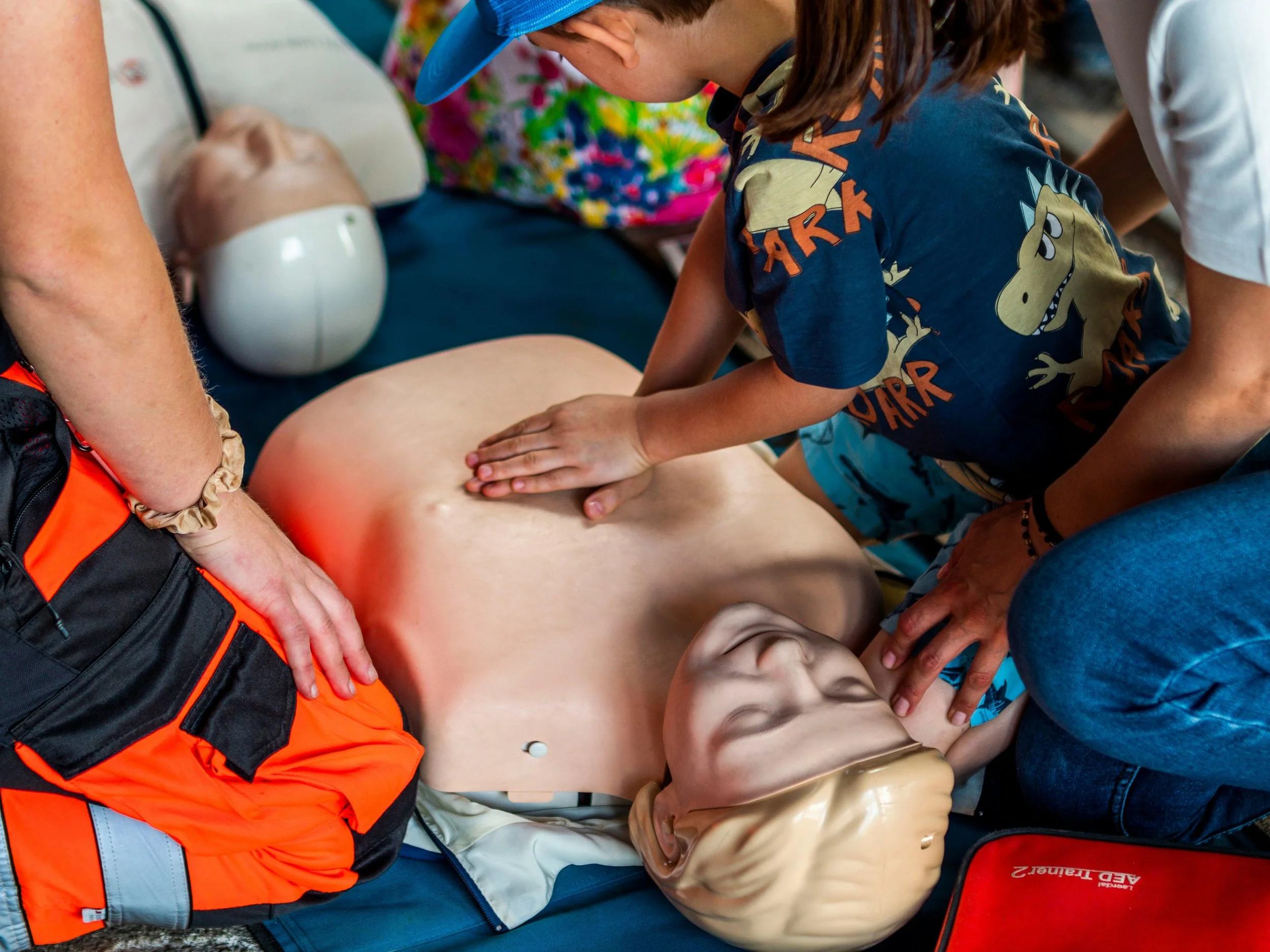
Workplace first aid is one of the most important courses. After this course, trainees will be able to confidently evaluate scenarios and administer first aid for a variety of simple and complex situations, including life-threatening emergencies, wounds and workplace injuries, medical emergencies (CPR, choking, etc), poisoning, bites and stings.
If you've ever felt overwhelmed by a full-day first aid course and left a first aid course unable to remember most of what happened, this online course is structured to improve your retention and memory.
Broken into short, engaging video-based modules, you can do a few per day, ensuring that your brain is fresh each time you return to the course. With 6 month'’ access, you're free to repeat modules as many times as required
Delivery: Online
Time: 3-5 hours
NZQA (NZ): No
Prerequisite: None
Certificate provided upon completion
Fleet Driver Skills gets your drivers up-to-speed with driver health and safety, the road rules, vehicle safety and advanced driving. It's all the things you've forgotten since you passed your test, all the changes up to now, and everything you should have been taught about safe driving.
Who is this course for?
Fleet drivers who drive long distances or drive a variety of different vehicles
Drivers who are new to New Zealand
People looking for a job that involves driving
Companies that want to reduce their accident risk and fuel bills
Companies who are upskilling drivers into a higher licence class, e.g. class 4 to 5 or class 1 to 2.
33 modules come with this course for one low price, and you can decide which modules you want your drivers to do at any time.
Module Contents
Driver health and safety
Attitude: The psychology of accident risk and road rage, plus what makes a great driver
Drugs and alcohol: Rules and guidelines around driving under the influence of drugs and alcohol
Mobile phone use: Legal requirements for mobile phone use while driving, and implications and dangers
Fatigue: Dealing with tired driving - recognising it and how to avoid it
Driver health & fitness: How diet, health and fitness affect your ability to drive; medical standards for commercial drivers
Vehicle setup: How to get the optimum position for driving, giving maximum control, safety and comfort
Crashes: Common causes and consequences of collisions, and how to avoid them
Carrying goods: Safe carrying of items in your vehicle
Advanced driving
Distractions: How to identify and avoid distracted driving
Drive to the conditions: Awareness of how conditions, situations and other road users affect driver safety
Anticipation: Scanning and anticipation for reducing fuel costs and accident risks
Fuel efficiency: Tips and techniques for economical driving, saving fuel and reducing the environmental impact of driving
Braking: How ABS works, braking techniques and distances
Vehicle control: The system of vehicle control, gap selection and reaction times
Night driving: Advantages and disadvantages of driving while it's dark
Gravel driving: Techniques for coping with loose surfaces
Vehicle safety
Safety technology: Understanding how to take advantage of vehicle safety technology
Tyre & wheel safety: Keeping your tyres and wheels in top condition, plus important checks
Crash testing: How crash testing works, what you should look for in a vehicle, and how airbags work
Driving rules and the road code
In addition, there is access to all the road rules and Road Code questions contained within the other sections. The road rules questions don't contain questions related to learner or restricted licences.
This course is perfect for new operators or those doing the 3-yearly refresher for a forklift permit, fork truck license or fork hoist license.
Experienced forklift instructors demonstrate everything forklift operators need to get their forklift operator's certificates, plus a bunch of tips and tricks to improve forklift skills.
The course is divided into easy-to-follow modules that take just a few minutes each. Operators have access to the course materials for a whole year so they can go back and repeat modules as required if bad habits start to kick in.
You can create a certificate for your operator at the end to prove they have passed the modules and to verify that they have been assessed as competent.
It's the most effective way to become an excellent forklift operator.
Practical assessment options:
There are two options for practical assessments:
1) If you're a supervisor of forklift operators, or you're employed by a company as a forklift operator, the practical assessment can be done in-house by following the detailed checklist and video guide supplied in the course. It creates a valid 3-year operator certificate plus ID card that you can download (more is explained in the FAQ section below). There's no extra cost for this.
2) If you are an individual (either new operator or refresher), TR Driver Training can do a practical assessment for $100+GST at one of their 10 branches (Auckland, Hamilton, Mt Maunganui, Hastings, New Plymouth, Palmerston North, Wellington, Blenheim, Christchurch, Dunedin). You book and pay for this after you have finished the online theory.
This course has been designed for:
New forklift operators who need a resource they can refer to repeatedly while they learn.
Experienced forklift operators needing to renew their 3-year forklift license.
Supervisors wanting to understand how to monitor their forklift drivers.
Upon completion of our course, you get:
Trainees get an operator's certificate plus a printable ID card valid for 3 years.
Operators get full access to all training materials for 12 months. These include videos in every module plus a downloadable load plate cheat sheet.
Comprehensive practical assessment checklist and overview video.
We can provide detailed reports, plus track and manage operators.
We can provide certificates on completion of the course.
A mounted safety platform (also known as a man cage, work platform or personnel platform) is attached to the forks and provides a safe way to lift people if you don't have a scissor lift.
Training is required both for the forklift operator and the person in the safety platform, and this course covers both.
Who is this course for?
This is the perfect course for companies that have one or more forklift safety cages and need to ensure that their team is trained in its use.
Forklift operators
Supervisors
Workers who are lifted in a safety platform
Note that a person in the safety platform may also need to do working at heights training if the scope of work extends outside the platform.
What will you learn from this course?
Safely connect the platform to the forklift
Operate the forklift with the platform
Check the platform is OK by conducting a pre-operation check
Calculate load ratings and capacities
Put on a harness and connect it to the cage
Handle emergency procedures.
FAQ
Are unit standards or skills standards required?
Unit standards and skill standards are optional - you can do competency training or unit standards, it's your choice. Unit standard 18409 Use a forklift mounted safety platform in the workplace will be replaced by skill standard 40737 by December 2027 when the unit standard expires. If you want these unit standards, you will need to attend a classroom-based course, and you may be required to do unit standard 23229 Use a safety harness system when working at height.
What do you get in this course?
As a trainee, you get 6 months access to the course materials. If you successfully complete the theory, you will get a theory certificate.
Do you need to do a practical assessment?
This is at the company's discretion. Your employer may want you to demonstrate your knowledge. This course does not include a practical assessment.
How long is the certificate valid for?
Training like this is usually recommended to be refreshed every 3 years.
Combining our Dangerous Goods Handler and our Spill Kit and Spill Control training courses, welcome to our Hazardous package.
This package is for one individual only.
You will be sent two individual links via email after purchase and you will need to complete the two courses separately.
You will have 6 months to complete the Spill Kit and Spill Control training and Dangerous Goods Handler Course.
Dangerous Goods Handler
This course is for people who use, decant, unpack, move, fill, store, load, or ship dangerous goods as part of their daily job. It's ideal for warehouse team members who pack and load dangerous goods and complete dangerous goods declaration forms for freight carried on the road. If you use chemicals (or products containing chemicals) in your job, this course covers what you need. If you're a dispatcher or supervisor checking DG documentation, you'll know how to fill it out and what to check. If you're a forklift operator moving dangerous goods, you'll be able to stay safe and know what to do in an emergency.
The online modules include:
Dangerous goods legislation
Classifications of dangerous goods, including UN and GHS numbers
Dealing with hazards and risks, including disposal of hazardous goods
The role of people involved with dangerous goods handling
Packaging, labels, pictograms and markings
Load plans and packing certificates
Storing and loading
Segregation, placement and placarding
Documentation
The course meets the training requirements of NZS 5433 and Regulation 4.5. It is not a certified handlers or approved fillers course.
Training should be repeated every 3 years.
We recommend you also complete the Spill Control and Spill Kit training course.
Duration: Approx 2.5 hours
Spill Kit and Spill Control training
Spills in your workplace must be cleaned up safely. Spill kit training, so you can control and clean up a spill, is important knowledge for warehouse staff, drivers, loaders, managers and other people who work with or store chemicals.
This course fits perfectly with our Dangerous Goods Handler course to give you a good base knowledge of chemical hazard management in the workplace and how to deal with small and medium-sized spills.
This course covers:
the use of safety data sheets and product safety cards to define your spill response
signage and labels used for hazardous goods
how to assess a spill and set up spill zones
spill action plans
what items are in a spill kit
how to clean up a spill
how to dispose of spilled materials and who to report it to
how to manage risks
Duration: Approx. 1 hour
If you've ever lost goods off a heavy trailer, had freight damaged in transit or while tying it down, this course is for you.
New drivers:
Everything you need to know about load restraint as you start your career as a truck driver
Experienced drivers:
Gain new skills to improve your loading and understanding of transporting safe loads on the road.
Who is this course for?
Truck drivers
Loaders and forklift drivers
Supervisors
What will you learn from this course?
This course is based on the Truck Loading Code and industry best practices. After taking this course, you will know how to:
Choose the right vehicle and load-securing devices to safely secure your load
Use chains, ratchet straps (strops) and tarps to restrain and cover a load
Specifics about curtainsiders, hardside trucks, reefers and container transporters
How to rebalance your load after a partial delivery
Permits, hazard panels and freight symbols
How to adjust your driving style when loaded.
FAQ
Is this course a unit standard course?
This course can be used as pre-study for US1753 Load and unload a goods vehicle if you do additional training with TR Driver Training. Additional costs apply.
Where is the course held?
The theory is completed online. If you want the optional unit standard then you will need to visit one of TR Driver Training's 12 branches nationwide. Please enquire for more details on locations and how to do this.
How long is the course valid for?
We recommend you repeat this course every 3 years to keep your skills up-to-date.
Identifying and assessing risks to ensure that workplaces stay safe is a critical skill. All workplaces can benefit from a risk assessment based approach for continued health and safety.
By completing this course you will be able to have the knowledge to apply the principles of health and safety risk assessment in the workplace while understanding industry good practice.
This programme is aimed at people at every level within an organisation.
Learners develop their risk assessment and risk management skills through interactive scenarios and course discussions that give them a broad understanding to take back to their workplace.
In this course the trainee will:
Identify legislative and industry requirements for reducing risk on the job
Understand the risk assessment process for creating an ongoing risk improvement cycle
Identify hazards and evaluate their risk using a risk matrix tool, allowing you to prioritise and target your health and safety efforts to the right place at the right time
Identify effective risk management solutions with the support of the Hierarchy of Controls
Enhance risk monitoring and maintenance processes to reduce future risk
Delivery: Online via Teams (can be done in-person inhouse – please enquire)
Time: without NZQA = 4 hours approx.
with NZQA = 1 day
NZQA (NZ): If required. Level 3 / 8 Credits. NZQA Credit fee applies
Prerequisite: None
Certificate provided upon completion
People enrolled in this course will understand the functions and powers available to them as a Health and Safety Representative under the Health and Safety at Work Act (2015).
Health and Safety Reps have a responsibility and power to advocate on behalf of their workmates.
HSRs provide workers with a formal, visible way to contribute to workplace health and safety, and they encourage worker participation while supporting worker engagement.
In this course the trainee will:
Gain an understanding of legislation (HSWA 2015) to identify roles and functions of an HSR, and the obligations of a PCBU and WorkSafe when supporting HSRs
Understand their role in advocating on behalf of workers
Master the risk management process and communication with workers and management
Describe the purpose, procedures and obligations relating to a Provisional Improvement Notice (PIN)
Delivery: Online via Teams (can be done in-person inhouse – please enquire)
Time: 4 hours
NZQA (NZ): If required. Unit Standard 29315 Level 3 / 2 Credits
Prerequisite: None
When you purchase this course, our team will be in touch to find a suitable date for you/your group to attend.
Join us as we Bridge the Gap between the old legislation and criteria of the Health and Safety Representative course, to incorporate the new changes.
If you already have a HSR course (Level 1, 2 or 3) this course is designed as a follow on to that.
A practical module covering:
The changes to the legislation
Impact on the Provisional Improvement Notices (PIN’s)
How it impacts the Risk Register
How it impacts the Competency Register
Delivery: Online via Teams (available for Face-to-Face – please enquire)
Max class size: n/a
Time: 45 minutes
NZQA (NZ) units: None
Prerequisite: HS Rep - current certification
Certificate provided upon completion.
ICAM investigators are an asset for any organisation wanting to maximise learning from adverse events. This course equips learners with best practices for incident investigations using the ICAM methodology. Learners develop practical skills to identify root causes, avoid recurrence, and build organisational resilience.
This course is the introduction course. A full certificate course is available which is a 2 day programme.
Systematic investigation methodology helps identify true causes, leading to more effective prevention strategies and significant reduction in repeat incidents.
Meet your obligations under the Health and Safety at Work Act 2015 with thorough, defensible incident investigations that satisfy regulatory requirements.
In this course the trainee will:
Apply the ICAM methodology systematically to investigate workplace incidents
Identify and analyse contributing factors using the ICAM framework
Develop effective corrective actions based on root cause analysis
Create comprehensive investigation reports using ICAM principles
Lead incident investigation teams using structured approaches
Reduce Workplace Incidents
Delivery: Online via Teams (can be done in-person inhouse – please enquire.)
Time: 4 hours approx.
NZQA (NZ): None
Prerequisite: An understanding of incident investigation is useful.
Certification provided upon completion.
Employers pay ACC levies to cover workers who have workplace accidents. It provides for both medical costs and for weekly compensation. Employers are also penalised on their ACC levies should they have workplace accidents that result in time-off on ACC weekly compensation and or if there are medical costs over $750.
Penalties can be as high as 100% however, employers can also receive discounts of up to 50% if they manage their claims well.
This is of course on top of any workplace disruption, drop in productivity, replacement labour, training and supervision, the list goes on.
This course is where we teach you what we do to manage your workplace injuries. The goal we have is two fold:
Support workers to get back to work efficiently, effectively and with minimal disruption.
Make sure your business is set up to get the ACC levy discounts.
We work through 14 modules
What makes a claim an ACC claim
The ACC system
ACC Experience Rating
Expectations & Control
Stakeholders
Worker Entitlements
Vocational Rehabilitation
Return-to-Work Programmes
Stay At Work (SAW) Service
Alternative Duties
Communication
The Privacy Act and the Health Information Privacy Code
When things go wrong
Linking Health and Safety
This training is practical and will draw on your business' processes including recruitment, inductions / onboarding, health & safety, and more. It is ideally suited to people who are involved in the claims / injury management process, H&S and HR focused roles, employees at supervisory or higher levels, staff from accredited employers.
Delivery: Online via TEAMS
Time: 3 hours
Max class size: 12 attendees
NZQA (NZ) units: None
Prerequisite: None
Certificate of completion issued at the end of the training
Driving off-road means facing unique risks that standard driver training doesn't address. This comprehensive course transforms everyday drivers into confident, capable off-road operators who understand not just how to drive, but how to assess risks, protect expensive company vehicles, and make sound decisions when help is hours away.
This course goes far beyond basic 4WD operation. You'll learn critical skills like reading terrain to prevent rollovers, managing vehicle dynamics on side slopes, recovering stuck vehicles safely, and navigating everything from deep mud to rocky tracks, and water crossings to wet sand. They'll understand how to properly inspect and prepare vehicles, manage loads for stability, and use recovery equipment without creating workplace hazards. Most importantly, they'll develop the judgment to know when to proceed and when to find another route—potentially saving your organisation from costly vehicle damage, workplace incidents, and productivity losses.
Protect your investment in vehicles, equipment, and most importantly, people. Drivers who complete this course won't just be safer drivers, they'll be more efficient operators who understand how to minimise wear on vehicles, reduce environmental impact, and complete challenging journeys without incident.
Does the course contain practical training?
It can do!
You can use this course as an online-only course - it's comprehensive and you have access for 6 months to digest the information and try the techniques and strategies. You can also purchase extra in-vehicle training that augments this course (i.e. you'll do this course online first, then do the in-vehicle training). Call us and we can organise this with TR Driver Training and cover the options and locations.
Who is this course for?
Those who drive off-road for work (e.g. agricultural & forestry workers, service engineers, rural trades, etc)
Tour operators
Conservation workers and volunteers
Emergency service drivers
4WD enthusiasts and hobbyists (hunters, fishers and campers)
Is this a Unit Standard Course?
The course contains information from the following unit standard requirements:
US17676: Carry out a pre-start vehicle check on a vehicle or machine, and start and shut down the vehicle or machine
US17678: Drive a light motor vehicle on unsealed road surfaces
US17976: Demonstrate knowledge of operating a light 4WD vehicle in an off-road environment
US17977: Develop a plan for off-road light four-wheel drive (4WD) driving
US17978: Operate a light 4WD vehicle in an off-road environment
US18138: Fit and remove vehicle chains
US20620: Develop a recovery plan and safely recover a light 4WD vehicle
US20848: Demonstrate knowledge of and skills for driving a light four-wheel drive (4WD) vehicle on-road
New drivers:
Everything you need to know about load restraint for cars, utes, vans, light trucks and trailers
Experienced drivers:
Gain new skills to improve your loading and understanding of transporting safe loads on the road
What does the course contain?
This course is based on the industry best-practice and the Road Code. After taking this course, you will know how to:
Choose the right vehicle and load securing devices to safely secure your load
Use chains, ratchet straps (strops) and tarps to restrain and cover a load
Securely load a ute, van, car and light truck
Choose between, and load safely, a flat deck trailer, cage trailer or box trailer
Understand roof racks
Hitch a light trailer
How to rebalance your load after a partial delivery
How to adjust your driving style when loaded.
Who is this course for?
Car drivers - those carrying items in the boot or cabin
Van drivers, including delivery drivers and tradespeople (plumbers, electricians, etc)
Ute drivers, including tradespeople and farmers
Light box truck drivers
Drivers using roof racks
Drivers towing light trailers, including flat deck, cage, box and specialist trailers
People who supervise drivers loading products, e.g. in hardware stores
Fleet managers responsible for driver health and safety
Almost every worker is at risk of some kind of manual handling injury. This course demonstrates how this can happen and explains risk reduction strategies. It comes with a downloadable workbook for your team to evaluate your work processes and make positive changes to further reduce the risks. Sometimes called 'how to lift' training, this course goes one step further than other courses that only focus on lifting techniques
Who is this course for?
Trades and construction workers
Drivers
Machine operators (forklift, excavator, wheel loader, etc)
Warehouse team
Agricultural workers
Supervisors
Office workers
Why do a Manual Handling course online?
This course is based on the Truck Loading Code and industry best practices. After taking this course, you will know how to:
Do it when it's convenient for you - you don't have to leave work for a day
Comprehensive video-based learning covering everything that WorkSafe wants you to know
Language and literacy support - translations to 70+ languages for the questions, plus audio recordings in English
Download a certificate of achievement when the course is completed
Company owners can easily manage multiple trainees, and generate reports
Access to the course for a full 6 months
Set up is free whether you are purchasing one course licence or a hundred course licences.
FAQ
What do you get at the end of the manual handling training course?
A certificate of achievement, plus the action plan for your company
What are the advantages of doing this manual handling course?
Understand the risks of injury in your workplace so that you can change how tasks are done, and you can improve your personal safety.
Is any additional manual handling training required?
No. However, if you are, for example, working with chemicals, you might want to do our Dangerous Goods Handler course. If you're using a forklift or electric pallet jack, we have training for those. Or, if you are driving for a living, you might want to look at our 30+ courses aimed at light and heavy vehicle drivers.
Does this course include a practical assessment with a trainer?
No, none is required.
Are there any relevant NZQA unit standards for manual handling?
In this course, we cover information contained in unit standard 17459 Demonstrate and apply knowledge of safe manual handling practices in the workplace, 17591 Demonstrate knowledge of the prevention and management of discomfort, pain and injury in the workplace, and 17592 Identify the causes of back injury and methods to prevent back injuries in the workplace. However, this is not a unit standard course.
Do you need any materials for the course?
No.
Is there anyone this course isn't suitable for?
It is not designed to show medical workers how to lift heavy patients.
A healthy workplace is one that invests in the physical and mental health and wellbeing of people, through good health and safety practices. A healthy workplace works with its team to ensure no aspects of the business are harmful, and helps its people to be mentally healthy and strong.
Research recognises if you improve the mental health of the people, you will naturally improve the mental health of the workplace, resulting in greater productivity. Positive mental health is an essential part of our overall health and wellbeing.
Delivery: Online via Teams (can be done in-person inhouse – please enquire)
Time: 3 hours approx.
NZQA (NZ): None
Prerequisite: None
Certificate provided upon completion.
Our Mental Wellbeing Programme equips individuals, teams, and managers with the tools to:
Understand Mental Health: Recognise its profound impact on both individuals and organisations.
Recognise Signs & Symptoms: Be aware of the early indicators of mental health struggles.
Approach & Respond: Learn how to support those who may be struggling.
Develop Strategies: Build resilience, manage stress, and help each other thrive.
Master the differences between driving a car and a large van or minibus. It's a wider, longer and taller vehicle than car drivers would be used to, and this course helps drivers understand the potential risk areas. Plus, it provides strategies for dealing with passengers and planning journeys.
Who is this course for?
Teachers transporting students to educational or sporting events
Community transport drivers taking passengers to appointments or other trips
Shuttle drivers collecting people from airports or hotels
Tour guides
Care facility transport drivers taking elderly patients from rest homes to appointments or on social outings
Sports team coaches and leaders taking the team to events
Volunteer drivers working for charities
Labour hire crew driver transporting workers to a work site
Agricultural transport driver taking seasonal workers to orchards
Events crew (e.g. runner/transport coordinator) taking production crew to locations
Church leaders carrying their congregation to events.
Supervisors and managers of people who drive minibuses for work
This comprehensive course for gantry, overhead or bridge cranes delivers essential knowledge and practical guidance for operators who want to maintain and enhance their skills in safely operating cranes.
Who is this course for?
This course is suitable for overhead/bridge and gantry crane operators of all experience levels. You'll see real examples of common problems and how to handle them, plus get practical tips from experienced operators who've dealt with challenging situations.
It's also important that supervisors understand the content of the course.
What will you learn from this course?
By the end of the course, you'll feel more confident in your ability to operate your crane safely and efficiently, handle difficult loads, and deal with any problems that come up during your shift.
Check your crane is safe to operate each time you start your shift by knowing exactly what to look for and what to test
Calculate the weight a crane can safely lift in different situations, without having to guess or take risks
Spot problems with slings, chains and hooks before they fail and cause an accident
Control loads better, especially tricky ones that might swing or need careful handling
Know what to do in difficult scenarios or when things go wrong
Work more smoothly and efficiently while staying safe
FAQ
Is online training effective for practical skills?
Practical training is putting theory into practice. You can't bake a cake without knowing the ingredients, and you can't operate a gantry crane safely unless you know how to assess the load, sling it and operate the crane. There are many nuances to operating a gantry crane and even people who have used one for 20 years will find something new in this course. Plus, it refreshes your knowledge of things you may have forgotten. Practical supervision is done at the end in line with the best practices; you get to put your knowledge into action.
Who developed the course and does it align with industry best practice?
The course content aligns with New Zealand's Approved Code of Practice for Load-Lifting Rigging, the Approved Code of Practice for Cranes, and current WorkSafe guidelines. It was developed in consultation with industry experts and incorporates established best practices.
What's the difference between a gantry crane and an overhead or bridge crane?
Gantry crane is the catch-all term, but it specifically refers to a crane supported on two legs that are on rails. Overhead or bridge cranes are supported on runways attached to the building. But they're all usually called gantry cranes.
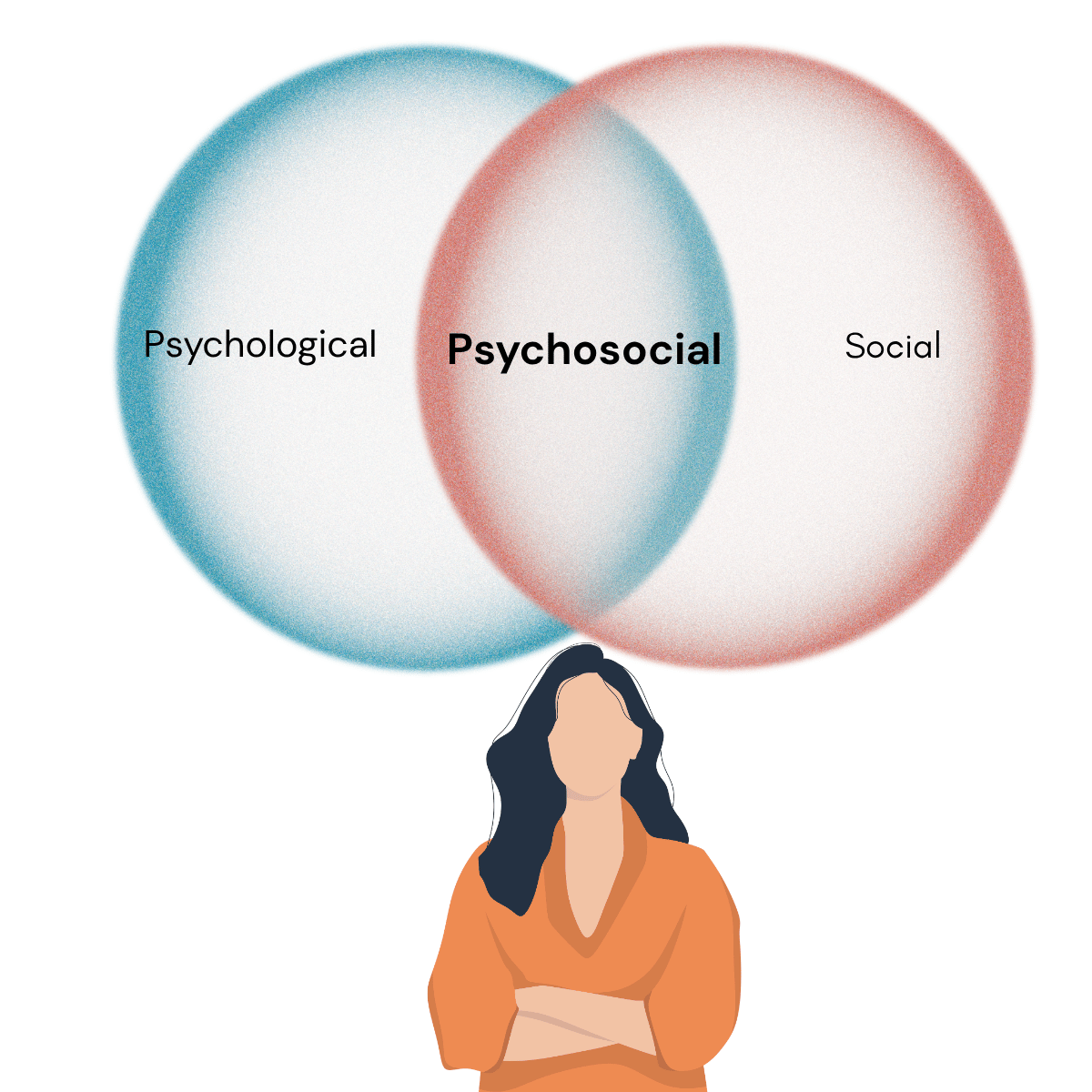
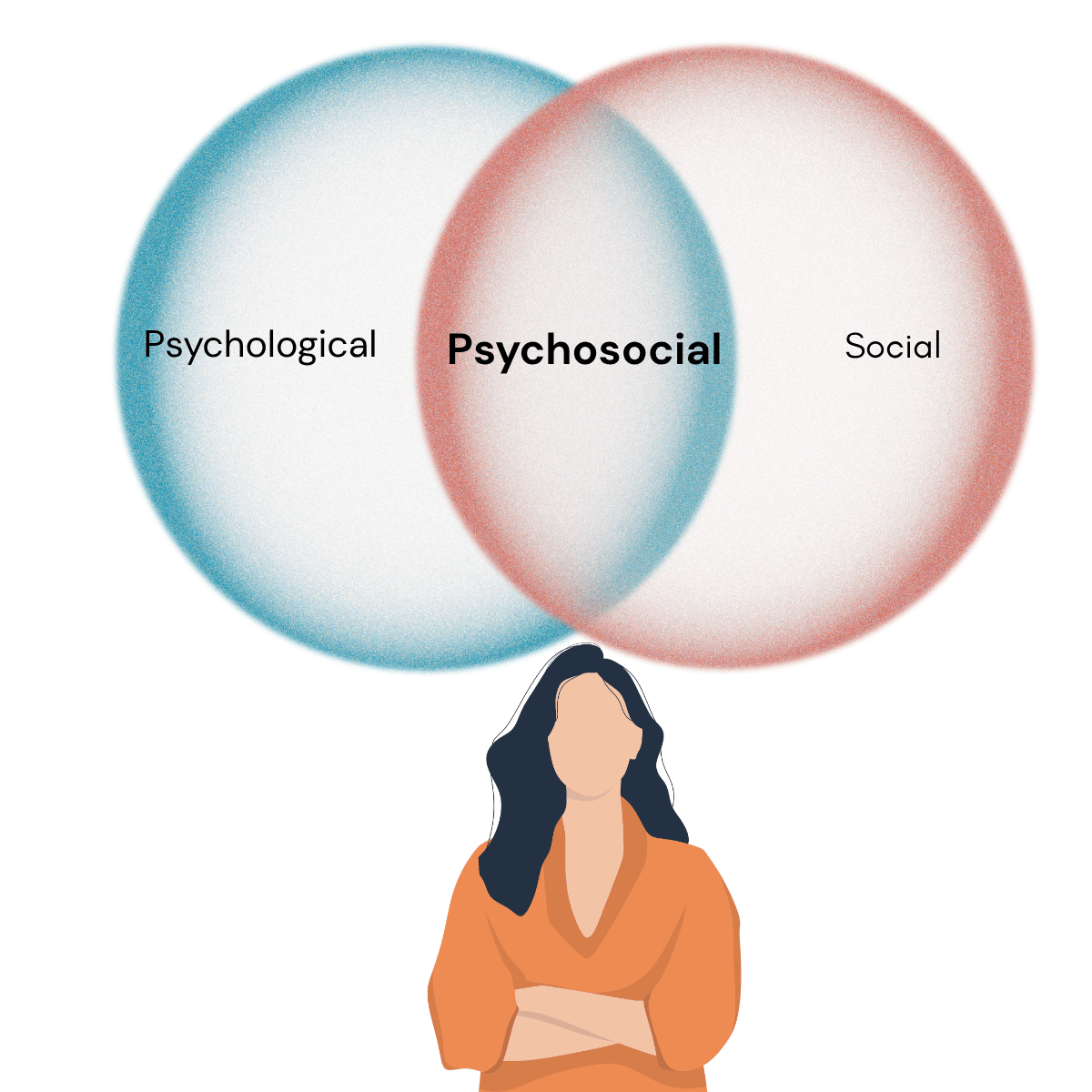
Psychosocial risk sits under Psychological Risk which in turn sits under the Health part of Health & Safety. It is set out in the Health & Safety at Work Act 2015 and is also directly impacted by the Employment Relations Act 2000 and the Privacy Act 2000.
New Zealand is experiencing a sizeable shift in managing our psychosocial hazards, in part due to the high suicide rates, and in part, it makes good business sense.
Learn how to identify, assess, and manage psychological risks in your workplace using a practical, proven framework. Designed for New Zealand business managers, this training provides the tools and confidence to create a psychologically safer, healthier, and more productive workplace.
Gain a clear understanding of psychosocial hazards
Learn how to apply a robust risk framework in your business
Learn techniques to align the Directors / Board; Senior Management / other areas of the business
Learn techniques to drive worker participation
Understand how continual improvement is applied
Learn techniques to improve team wellbeing and performance
Ultimately, learn how to build a safer, healthier workplace
This training is practical and will draw on your business' processes including risk assessments, risk register, competency register, etc. It is ideally suited to people working with staff, health and safety, HR, quality, administration, etc.
Delivery: Online via TEAMS
Time: 2 hours
Max class size: 12 attendees
NZQA (NZ) units: None
Prerequisite: None
Certificate of completion issued at the end of the training
Practical tools to manage stress, build resilience and support your wellbeing, at work and in everyday life.
Stress often shows up in the body before we put a name to it: tense shoulders, a pounding heart, a short fuse. SCOPE Talk is a practical one-hour workshop that helps you understand your own stress signals, recognise when you’re not coping, and know what to do when things get tough.
Just like physical health, mental health is something we all have and need to look after. With 60% of New Zealand workers reporting work-related stress*, investing in mental wellbeing makes sense for individuals and businesses alike. Supporting employee wellbeing can also help to create a healthier, safer workplace and can contribute to improved productivity, reduced absenteeism and better staff retention.
Led by two experienced, supportive facilitators, this live, interactive online workshop combines practical activities and guided reflection to help you better understand your wellbeing and take positive steps to look after it. You'll leave with simple, achievable tools to manage life's challenges, at work and beyond.
About Mates4Life
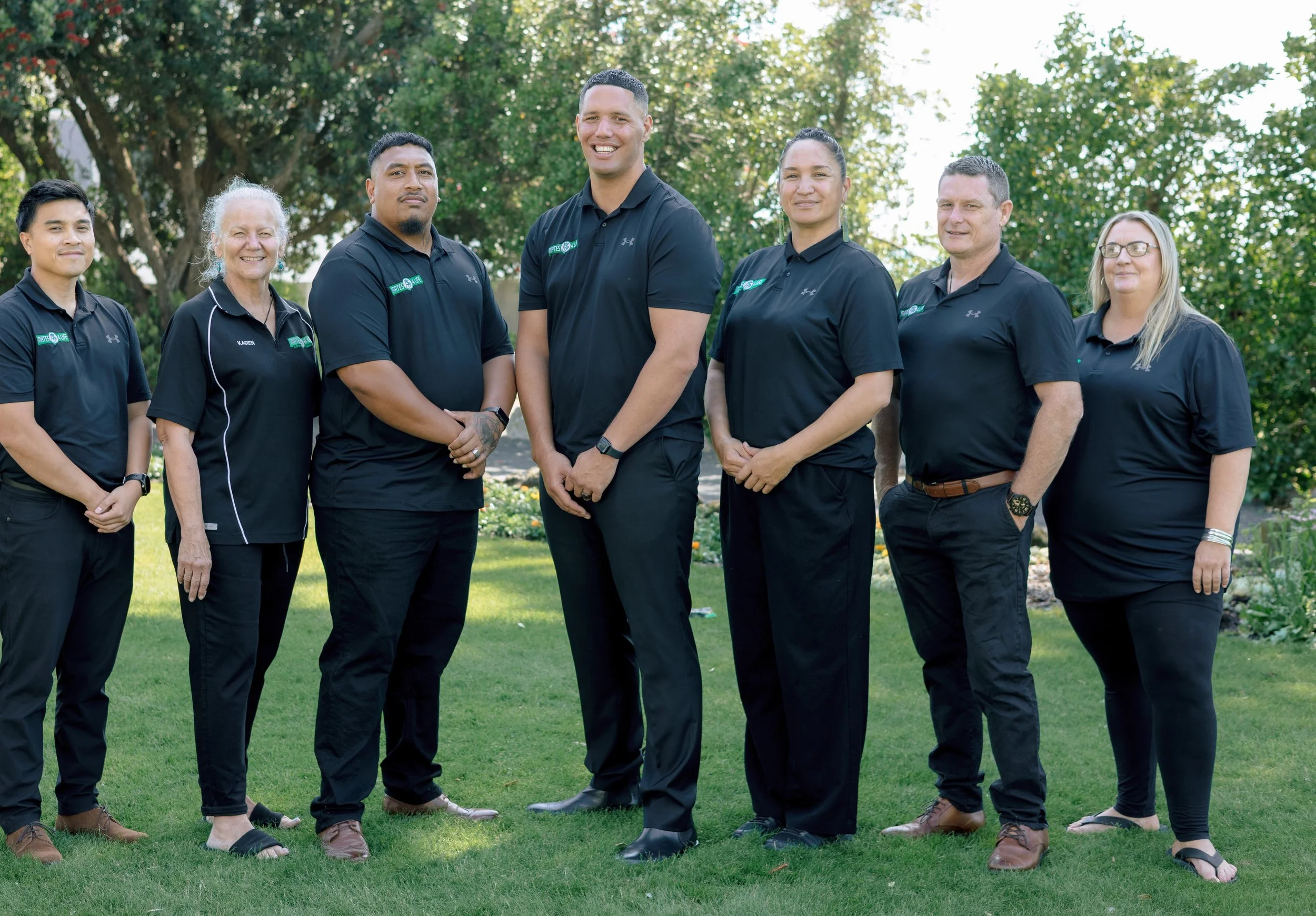
We’re a Hawke’s Bay charity on a mission to help prevent suicide, by building a community where no one struggles alone. We provide everyday people with the skills to help look after their own mental health, and to recognise the signs of distress in others, and know how to help them. We’ve partnered with more than 300 organisations and reached over 20,000 people with our workshops.
What you’ll learn:
The workshop introduces SCOPE, a simple five-step framework for looking after your mental wellbeing:
Stress: Recognise your personal signs of stress and understand how they affect you.
Coping: Identify healthy and unhealthy methods of coping with stress and explore practical ways to respond to stress
Objective: Learn to step back and keep perspective when facing challenging situations.
People: identify the people and support networks you can turn to when things get tough.
Emergency: Recognise when additional help may be needed and know where to access professional support.
The workshop uses the Te Whare Tapa Whā, model of wellbeing, to explore each of the four pillars of wellbeing (physical, mental, whānau and spiritual) and how to actively strengthen them in everyday life. The workshop is live, interactive and uses guided activities to introduce practical and achievable steps you can take to look after your wellbeing.
Who is this for?
This workshop is suitable for anyone wanting to better understand and manage their mental wellbeing and stress, including:
Individuals looking for practical ways to manage stress and build resilience.
Organisations looking to invest in employee wellbeing, build a supportive workplace culture and take a proactive approach to mental health.
Managers, supervisors and team leaders wanting to support their own wellbeing.
Teams working on wellbeing goals or looking to incorporate mental wellbeing into their wider workplace health and safety initiatives.
Delivery: Online (live, interactive)
Time: 1 hour
NZQA (NZ): None
Prerequisite: None
Group size: Max. 20
Certificate provided upon completion
*WorkSafe, 2025
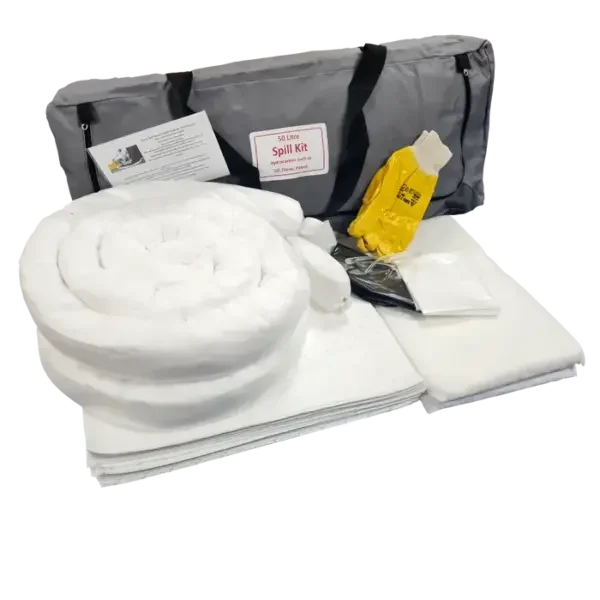
Spills in your workplace must be cleaned up safely. Spill kit training, so you can control and clean up a spill, is important knowledge for warehouse staff, drivers, loaders, managers and other people who work with or store chemicals.
This course fits perfectly with our Dangerous Goods Handler course to give you a good base knowledge of chemical hazard management in the workplace and how to deal with small and medium-sized spills.
This course covers:
the use of safety data sheets and product safety cards to define your spill response
signage and labels used for hazardous goods
how to assess a spill and set up spill zones
spill action plans
what items are in a spill kit
how to clean up a spill
how to dispose of spilled materials and who to report it to
how to manage risks
Duration- Approximately 1 hours
Training co workers is a skill that is developed. Training is often not given priority and tends to be delivered by some that may know the content but are not skilled in training. The result is a workforce that learns bad habits, short-cuts, and who do not understand the reason why workplace knowledge is important. Training your best workers to understand the expertise of training others means that you will always have a plan to keep knowledge within the business. Creating a secondary expert workforce is also a key risk minimisation strategy.
The trainers need to know the subject they are training and how to transfer that information to the trainees.
This course covers:
The differences between teaching, training, coaching, and mentoring
Creating learning outcomes within a workplace context, in comparison to a traditional teaching context
Key important adult learning models and theories
Planning and writing learning outcomes
Effective training and delivery methods
Preparing, delivering, and reviewing on the job training
The role of workplace assessment in knowledge adoption, and how these tools assist in defining a competent workforce
Delivery: Online via Teams (available for Face-to-Face – please enquire)
Max class size: 12 attendees
Time: 4 hours approx.
NZQA (NZ) units: None
Prerequisite: None
Certificate provided upon completion.
New operators:
Learn how to rig and operate a truck loader crane in various scenarios. Truck loader cranes are also called truck-mounted cranes, HIABs, crane trucks and truck cranes. Do the theory online, then follow our detailed practical checklist to obtain your truck crane certificate at your workplace using your own equipment.
Refreshers:
Perfect for a three-yearly refresher for experienced operators. The assessment can be conducted at your workplace using your own equipment.
Unit standards 16617 and 30072
It's not a legal requirement to hold these unit standards. This is non-unit standard course. If you would like to do the unit standards, please let us know and we will link you with our training partners - TR Driver Training.
If you already have the unit standards, you don't need to repeat them and you can use this course as a refresher.
What will you learn in this course?
After taking this course, you will know how to:
Conduct a pre-operation crane assessment and function check
Evaluate a site for hazards and draw up a lift plan
Create a safe lifting area
Choose rigging equipment (slings, chains, wire ropes, shackles)
Lift, move and place regular loads
Stow and secure a crane for road transport
Who is this course for?
Truck drivers who want to operate a rear or front-mounted truck loader crane
Truck drivers that need to get a 3-yearly truck-mounted crane or truck loader crane refresher.
Combining our First Aid online course and our Mental Wellbeing training courses.
You will be sent a link via email after purchase to complete your First Aid online course.
You will have 6 months to complete the First Aid online course.
For the Mental Wellbeing course, you will be sent an email letting you know when our next session is. If you are not able to make that session, our team will help organise a more suitable session.
First Aid - online
Workplace first aid is one of the most important courses. After this course, trainees will be able to confidently evaluate scenarios and administer first aid for a variety of simple and complex situations, including life-threatening emergencies, wounds and workplace injuries, medical emergencies (CPR, choking, etc), poisoning, bites and stings.
If you've ever felt overwhelmed by a full-day first aid course and left a first aid course unable to remember most of what happened, this online course is structured to improve your retention and memory.
Broken into short, engaging video-based modules, you can do a few per day, ensuring that your brain is fresh each time you return to the course. With 6 month'’ access, you're free to repeat modules as many times as required
Mental Wellbeing Training
A healthy workplace is one that invests in the physical and mental health and wellbeing of people, through good health and safety practices. A healthy workplace works with its team to ensure no aspects of the business are harmful, and helps its people to be mentally healthy and strong.
Research recognises if you improve the mental health of the people, you will naturally improve the mental health of the workplace, resulting in greater productivity. Positive mental health is an essential part of our overall health and wellbeing.
A practical approach to the Work Permit framework and the roles of Issuer and Receiver. We align with insurance policy requirements as well as best practice.
This training has minimal fluff and is to the point - this is not an NZQA unit so we can be more specific to what we should focus on. We cover 6 of the more frequently used work permits including Hot Work and Working at Height.
This course is for the typical tradie; warehousing and manufacturing; and those who have contractors come in for maintenance; property managers who use tradies to do work; etc.
At the end of this course, the attendee will be able to:
Explain work permit procedures and requirements.
Ensure the need for work permit is properly identified and the worksite prepared accordingly.
Issue, monitor, close and audit work permits.
Understand the types of work permits and the roles of those involved in the Work Permit system.
Understand the requirements to prepare, receive and undertake work under the permit.
Describe and carry out the controls and actions to be taken at the end of the work period or upon the completion of work.
Delivery: Online via ZOOM
Max class size: 12 attendees
Time: 1 hour approx.
NZQA (NZ) units: None
Prerequisite: None
Workbook provided and a certificate of completion issued at the end of the training.
MANAGESHOPS
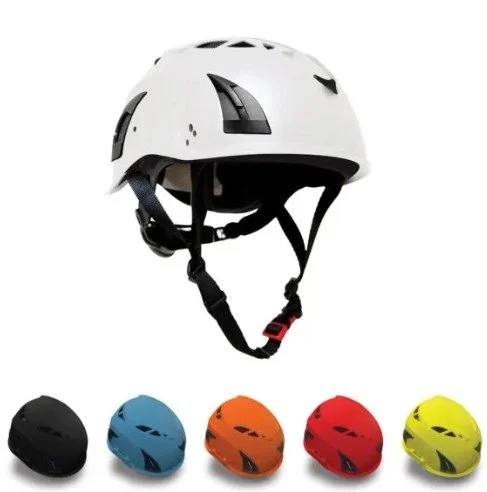
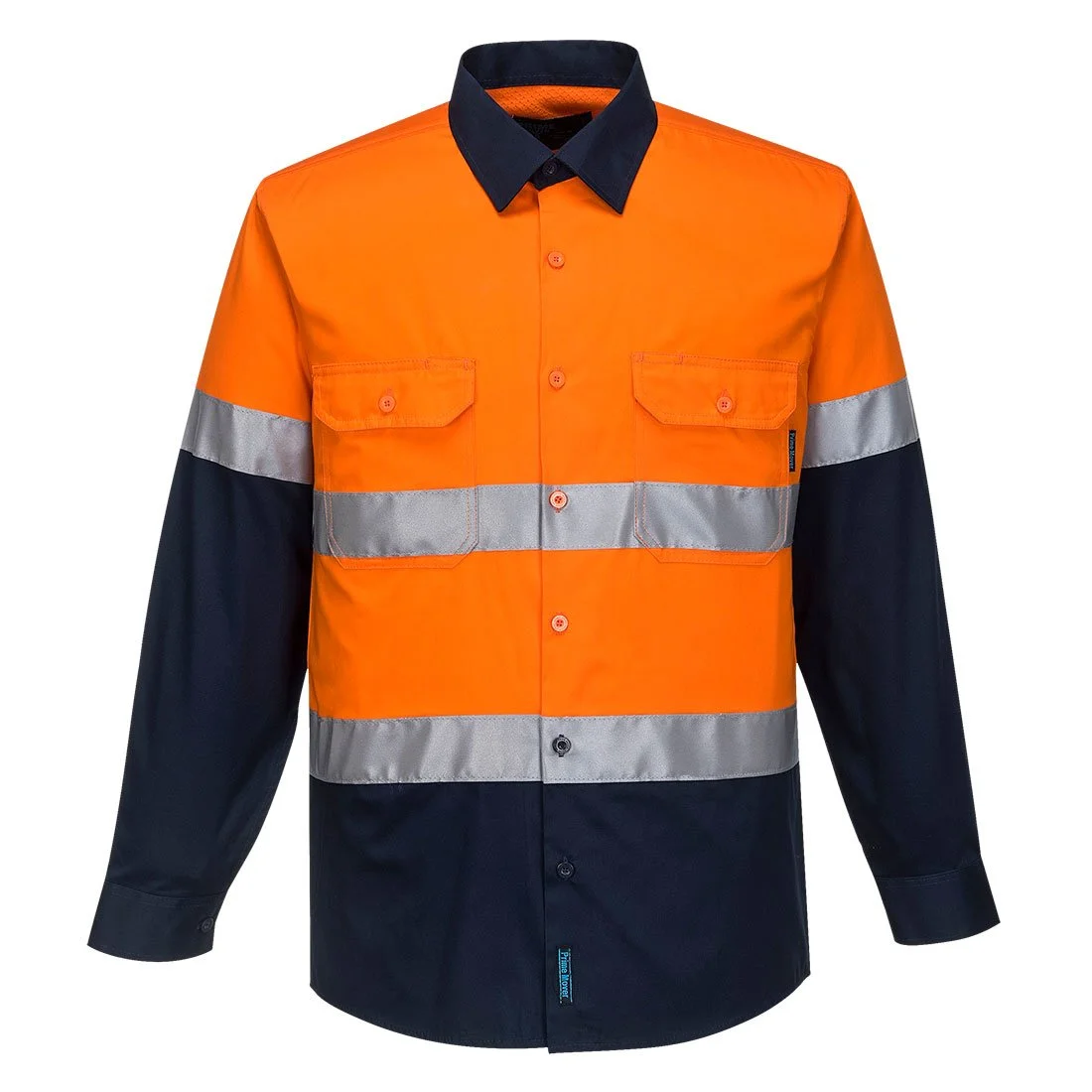
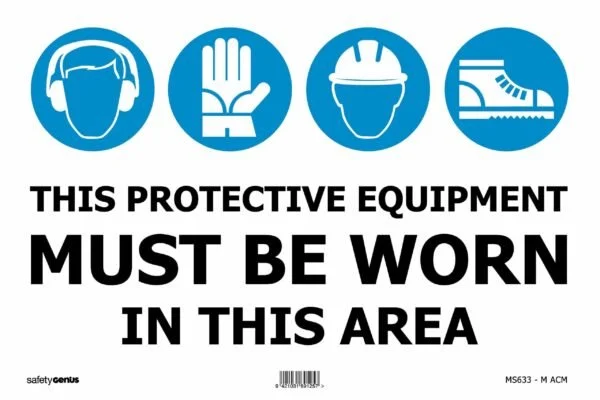
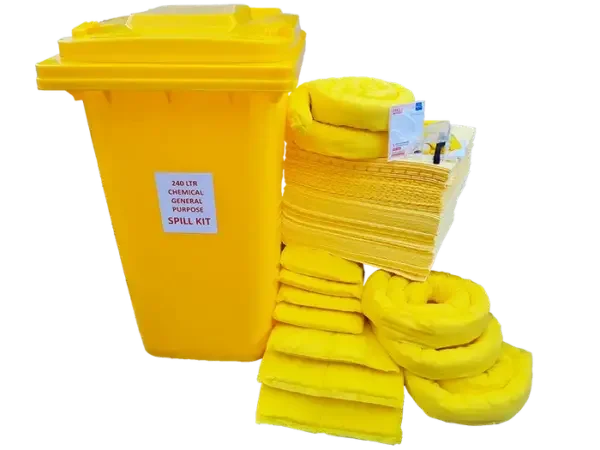
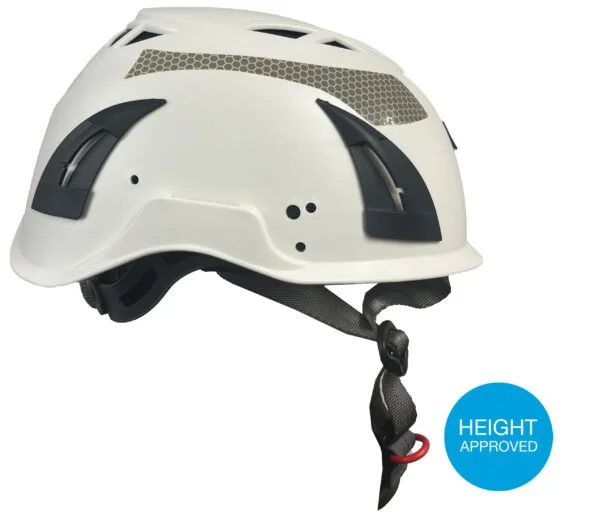
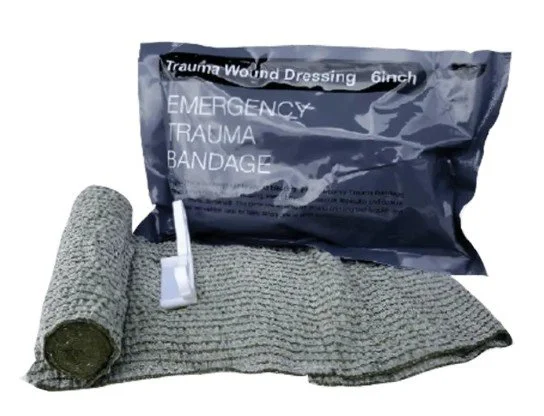
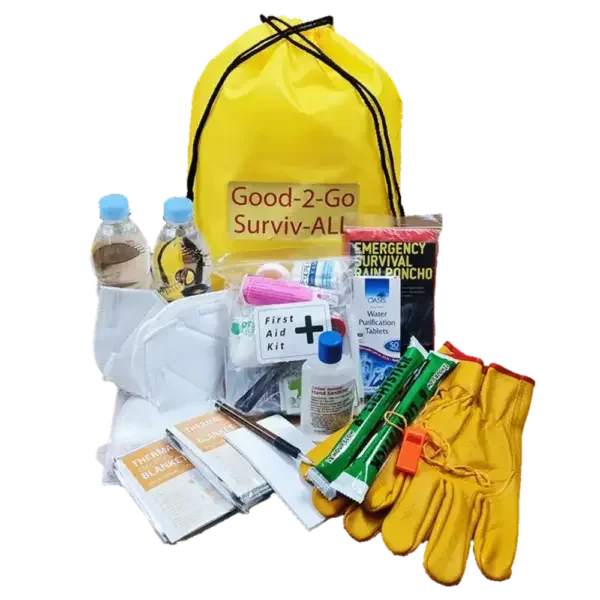
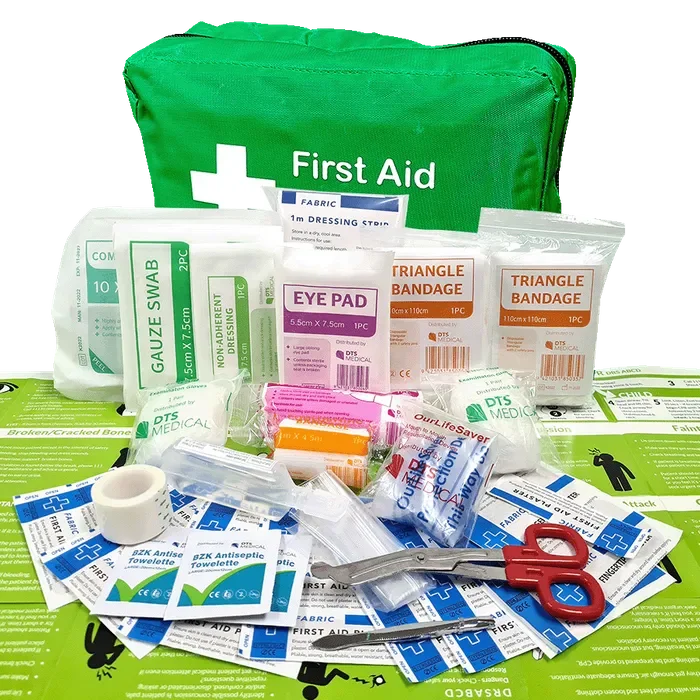
Safety gear, first aid kits, and industrial signage.
We want to make sure you have the gear your business needs to succeed.
So we have a range of supplies to support you to managing your risk under our ManageSHOPS umbrella. Whether you are topping up the first aid kit or assembling your first civil defence kit, or needing a sign for your warehouse, we are here to help.
check out our blogs

The intent of completing a contractor prequalification, is to simplify the vetting process. Should a subcontractor have a current prequalification, via a reputable scheme, we should be able to place a level of reliance on this to support that they have a useful health and safety framework.
What I also find interesting is that no political party ever mentions ACC at election time.
Why is that?
Have you ever wondered if health and safety could be a profit centre in a business?
The short answer is yes!
ACC provides a powerful means to turn compliance into profit.
Experience Rating was introduced in 2011 to encourage employers to take ownership over their workplace claims.
The legislative changes are to go live on 1 April 2027. The gist of the changes was to simplify and make it more relevant.
ACC’s Experience Rating is the penalty / discount scheme driven by workplace claims. Like your car insurance, if you have no claims, you get a discount and of course, if you have claims, you get a loading (penalty).
Vaccinations are a bit like sensible work boots: you may not admire them every day, but you are very glad they are there when things get messy.
ACC has released their 2026 / 27 Experience Rating calculations via the 2027 Info Sheet Report.
Businesses, regardless if they are SME or corporate, can get somewhat overwhelmed when considering Tōtika.
ACC have hit the headlines a lot recently over the number of claims they’re declining and the number of claimants being moved off the scheme.
We are almost daily seeing an upsurge in the number of claims where recovery is hampered by health.
A question we get asked a lot is how often should we be inducting a contractor to the same premise.
Let’s be straight up from the get-go. Managing contractors can be a painful exercise. You can lose a lot of time chasing paperwork especially with vetting contractors.
Most property managers we know of are busy people juggling a few too many balls. Less priority is typically given to the managing contractors.
Clubs & Incorporated Societies - where do they sit under the Health & Safety at Work Act
ACC are implementing more changes that will cost employers plenty. Find out what’s about to happen…
This comprehensive guide is unique in NZ. We provide numerous recommendations, quell a few myths, and give loads of insights into the dark arts of managing ACC…
ready to get started?
Want some more information or ready to get the ball rolling?
Get in touch with our friendly New Zealand based team below.
Don’t just take our word for it, here’s what our clients are saying
“I can’t speak highly enough of Manage Company. Their health and safety expertise is exceptional, and they consistently deliver outstanding service. They have helped us create a safer workplace while making compliance straightforward and stress-free. Their team is professional, friendly, and incredibly knowledgeable (Martins sense of humour certainly helps keep the team on their toes). Working with Manage Company has been one of the best decisions we’ve made for our business. Highly recommended!”
“Great workshop (Bridge the Gap) provided by Martin, friendly and approachable, easy to ask questions and get tailored answers to your business. Would recommend to anyone needing support with health and safety.”
“Many thanks to Manage for presenting their ACC focused webinars and training. I have attended two now and have come away with helpful tips and actions to assist with the managing of our company’s ACC expenses. The webinars and training are informative and very well presented; they are easily relatable and interactive sessions.”
“I am delighted to let you know that WorkSafe has completed its investigation and decided to take no further action. This is an excellent outcome and vindicates the work you all (and especially Martin) put in to dealing with WorkSafe, and ensuring the company was well-prepared for the duty-holder interview Worksafe conducted.”
“We enjoy working with Manage.
What I like about Manage Company is that they hold you accountable. Even if you are one of the boss’s they tell you what they need too, not always what you want to hear.
Another point that is important to us is they are relatable people. They have that true understanding that while going by the book is correct, it also has to be practical. That’s important.
Also as a director of a company, I like the way they understand that it has to be warrantable, they look at ways that we can do a job safely & within a budget.
Another thing I like about Manage is they always are happy for you to reach out if you’re not sure about something. No question is a dumb question.
Thanks Manage”
“Working with Manage Company has transformed the way we handle our ACC injuries, medical assessments, and pre-employment processes. Their team is incredibly professional, responsive, and genuinely cares about the well-being of our employees.
They helped streamlined our claims management, making it easier for us to focus on our core business while ensuring that our staff receives the best possible support during their recovery. The level of expertise and attention to detail they provide is unmatched. They’ve not only helped us navigate complex medical requirements but have also educated our team on best practices for injury prevention.
We couldn’t be happier with the service we’ve received, and we highly recommend Manage Company to any organisation looking for a reliable third-party administrator.”
“Sam has done a fantastic job building relationships with our team and getting genuine buy-in around our HSE processes. The effort that Manage Company have made to understand our business and tailor their approach to our needs has really stood out. Their response times have been excellent, and they bring a practical, common-sense approach to Health & Safety.
We’re looking forward to continuing to build our relationship with the team and would happily recommend Manage Group based on our experiences so far.”
“We recently engaged Manage to support our QHSE requirements at Presco, and from the outset the experience has been exceptional.
A key reason we chose to work with Manage was Martin Wouters. His knowledge, professionalism and genuine interest in understanding our business gave us confidence we were in good hands.
Within a few weeks the team had already delivered real value — providing practical insight, guidance and learnings that have made a tangible difference to how we manage QHSE across the business. When an incident arose requiring a full investigation and report, Manage worked closely alongside our team and the relevant suppliers, keeping everyone well informed throughout the process. They helped us identify clear actions and opportunities for improvement and ensured we were addressing the issue properly and thoroughly.
Beyond the technical support, having Manage alongside us has given our internal team greater confidence in managing QHSE matters day to day. The team at Manage has been approachable, knowledgeable and solution-focused throughout — it’s been a truly collaborative relationship which we look forward to continuing.”
“Martin Wouters and his team certainly have made an impact for the industry in his work to date ‘keeping ACC honest’ (so to speak). He knows the system and the right questions to ask to keep ACC on their toes and make them accountable.”
“Sue and the team at Manage Group have provided us expert advice on a number of occasions. Many thousands have been saved through using their service and following their expert advice. Sue’s methods are clear and concise, allowing us to stay hands off but well informed throughout the service.
Thank you Sue and Manage Group.”
“Working with Sam has been easy from day one. She understands our business, our people and provides practical Health & Safety solutions. She has supported us transitioning from Sitewise through to achieving Tōtika Performing two years in a row, integrating Safe365 into our operations and supporting with tender H&S requirements. She’s made our whole H&S journey straightforward and the results speak for themselves. It’s been mint!”
“We worked with Martin and the Manage Company Team on some challenging claims that had been incorrectly put against our Company’s ACC ratings.
Martin and the Manage Company teams’ professionalism, integrity and knowledge made the whole process of creating a case for ACC very easy. Their help and guidance on the recommended documentation to present to ACC was spot on and lead to us wining our cases. Our ACC levies were readjusted therefore saving our company a lot of unnecessary costs.
We highly recommend Martin and his team and will definitely work with them again.”
“Thanks again for the discussion and information you shared last week at the Bridge the Gap training. Very informative and helpful. And thank you for the noise monitoring spreadsheet.”
We are proud to partner with the following businesses
Sitedocs is a comprehensive, cloud-based safety management software designed to digitize workplace safety programs
Safe365 and Qualify365 are two solutions we happily promote in our H&S space. Safe365’s governance tool is second to none for our NZ and Australian clients. In fact, we also use it for our UK and USA clients. Qualify365 is for NZ and specifically Tōtika.
Construction Health and Safety New Zealand, is an industry-led charitable trust working to improve the lives of construction workers by raising the standard of health, safety and wellbeing in construction
Providing a wide range of physiotherapy, injury management, and rehabilitation services to support not only the worker, but also the employer! With clinics and services across New Zealand, TBI Health help look after our clients with respect to their rehabilitation needs.
Our go to for health monitoring, flu jabs, inoculations, and more. With national reach and being able to service both our large and small clients, we use them a lot.
The Doctors Online goal is to offer a convenient online GP service that puts you in touch with an experienced doctor, when and where it suits you.
To say we are excited is an understatement. HouseCall get that poorly done med certs are detrimental to good rehabilitation. HouseCall also gets that poor med certs have a very negative impact on your ACC levies by way of Experience Rating.
This course is for people who use, decant, unpack, move, fill, store, load, or ship dangerous goods as part of their daily job. It's ideal for warehouse team members who pack and load dangerous goods and complete dangerous goods declaration forms for freight carried on the road. If you use chemicals in your job, this course covers what you need. If you're a dispatcher or supervisor checking DG documentation, you'll know how to fill it out and what to check. If you're a forklift operator moving dangerous goods, you'll be able to stay safe and know what to do in an emergency.
The online modules include:
Dangerous goods legislation
Classifications of dangerous goods, including UN and GHS numbers
Dealing with hazards and risks, including disposal of hazardous goods
The role of people involved with dangerous goods handling
Packaging, labels, pictograms and markings
Load plans and packing certificates
Storing and loading
Segregation, placement and placarding
Documentation
The course meets the training requirements of NZS 5433 and Regulation 4.5. It is not a certified handlers or approved fillers course.
Training should be repeated every 3 years.
We recommend you also complete the Spill Control and Spill Kit training course.
FAQ
Does this course comply with Regulation 4.5?
This course covers safe working with chemicals and safe storage of all types of chemicals across the 9 classes and their divisions. For the specific chemical(s) that a person is working with, they must be provided with information about the physico-chemical and health hazards associated with it, the procedures for safe use, handling, manufacture, storage and disposal (where relevant), how to use PPE or equipment with the chemical, and what to do in an emergency involving the chemical(s). This information is usually found on the safety data sheet for the product. Generic training for groups of similar chemicals is included in this course, and this complies with clause 4.5(4). Trainees are taught how to read the SDS in this course.
What do you get with this course?
You get full access to all training materials for 6 months and a certificate of completion when you've finished it. Study in your own time at your own pace, take the modules as many times as you need to and really get to know the information. You can access it on any computer, smartphone or tablet wherever there's an internet connection available. You'll also receive a suite of useful documents:
Classifications
HSNO-GHS7 Conversion table
Sample SDS (Hydrochloric acid)
Schedule 3 segregation chart
Segregation in storage
UN packaging guide