
Australian Psychosocial Risk Explained
Australia is leaps and bounds ahead of NZ regarding their psychosocial risk management. Why? Well, in short, because ultimately, it is seen as a higher priority due to the impact on workers. There are of course more nuanced answers that capture WorkCover (ACC equivalent) covering mental health claims as workplace claims therefore providing a clear understanding of the financial cost; unions having a greater influence; each state and territory having its own legislation; etc. New Zealand will get there, it all takes a bit more time.
Psychosocial risk is anything in the design or management of work, or the social conditions around it, that can cause psychological harm.
Psychosocial covers two ideas at once with psychological (what the harm is) and social (where much of it comes from). Things like workload, role design, management behaviour, and workplace conduct are all captured.
The legal framework matters. These are health and safety hazards, sitting under the same duty of care as machinery and chemicals, which means the response is risk management, not ‘nice to have’ wellbeing perks.
Common Psychosocial Risks
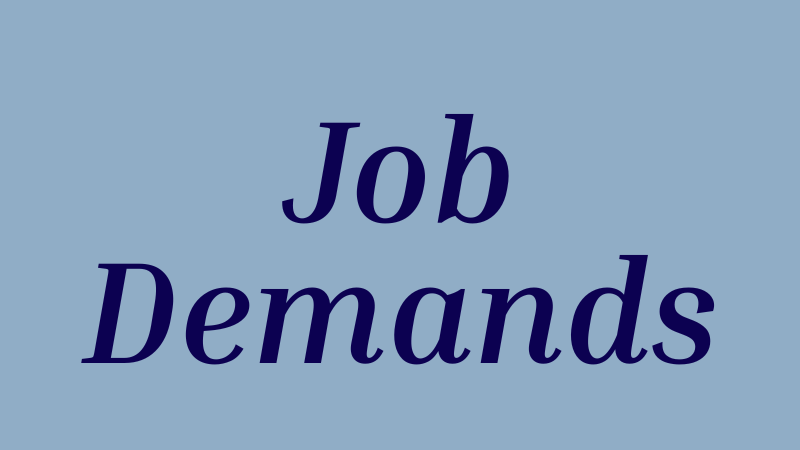
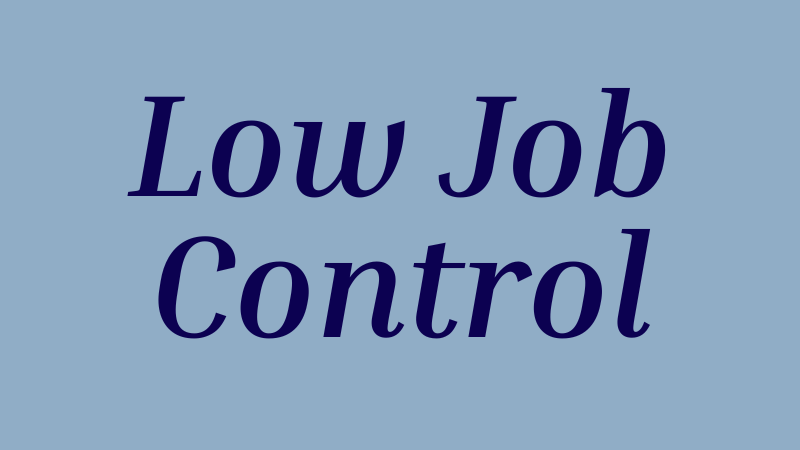
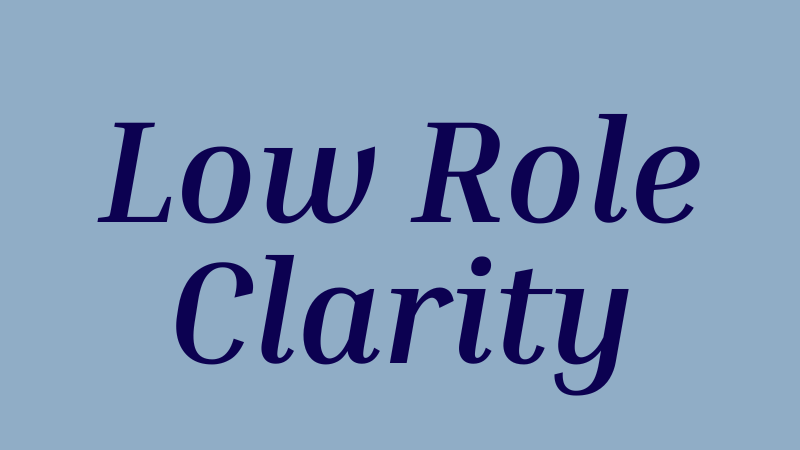
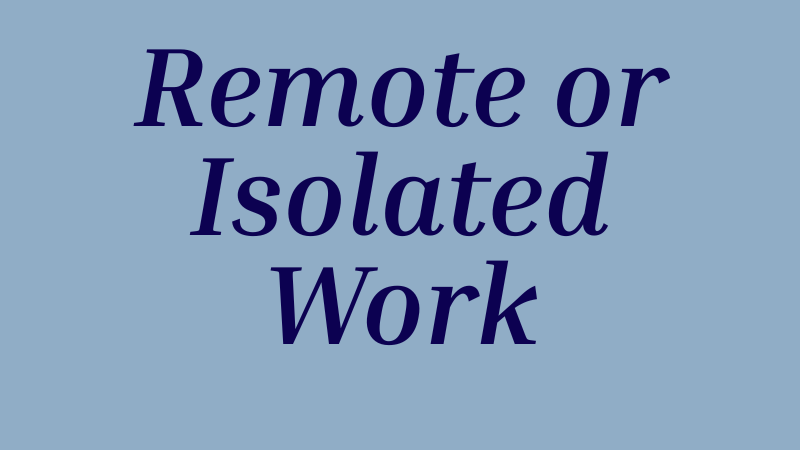

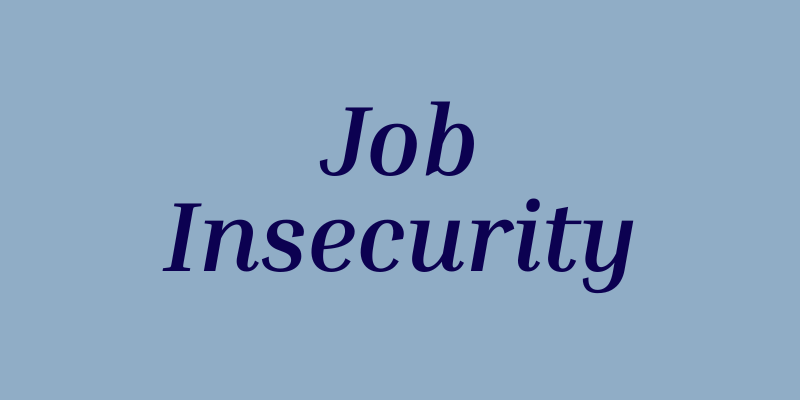

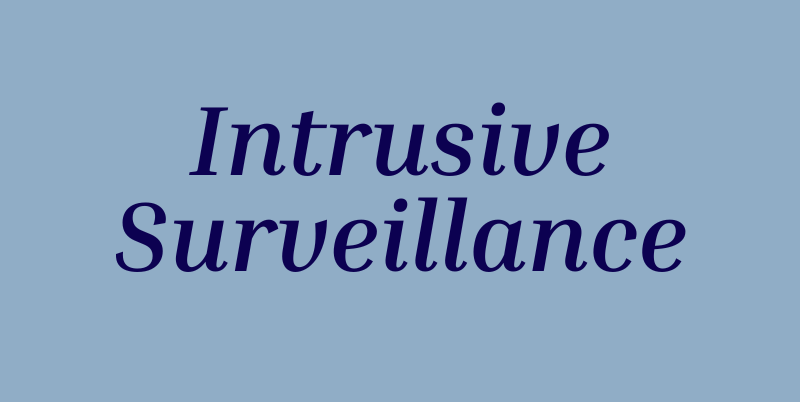
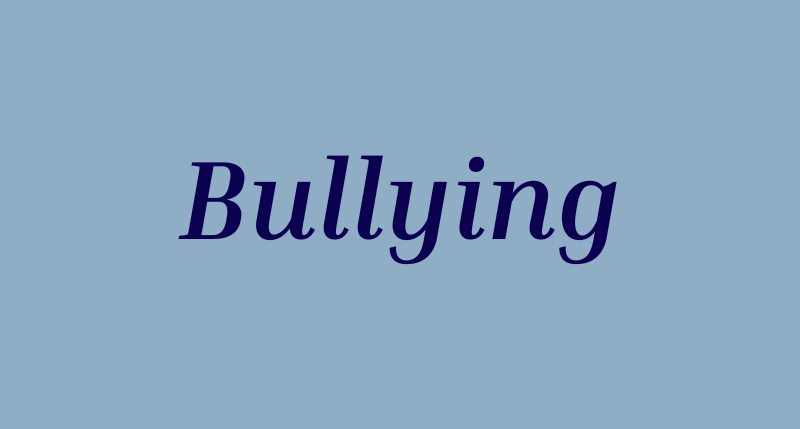
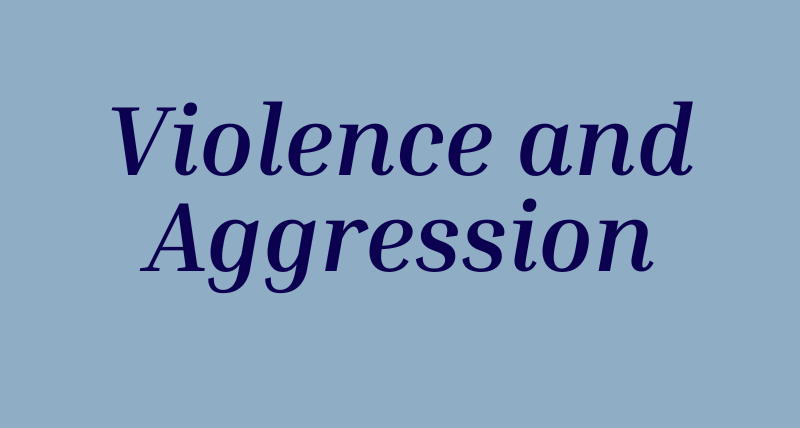
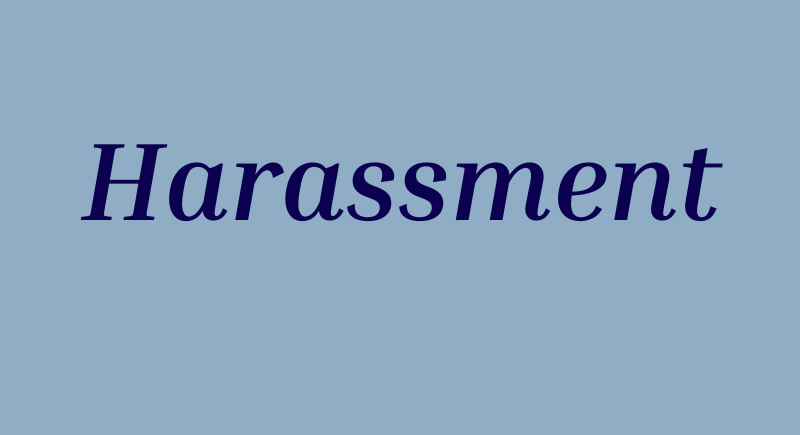
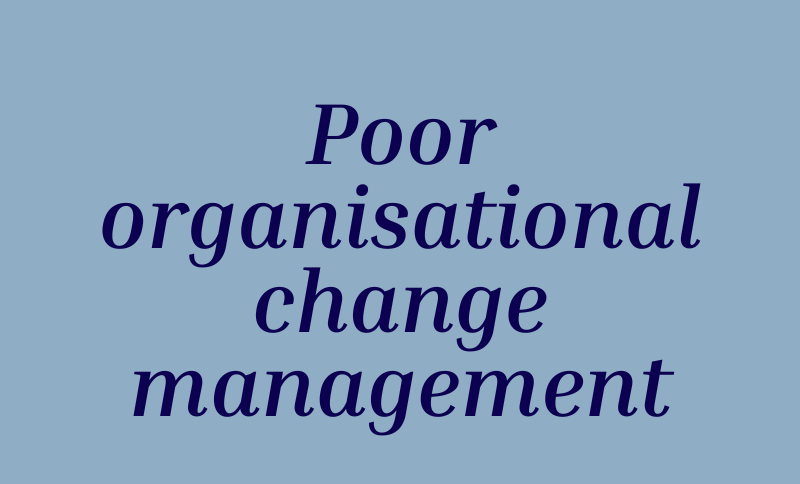
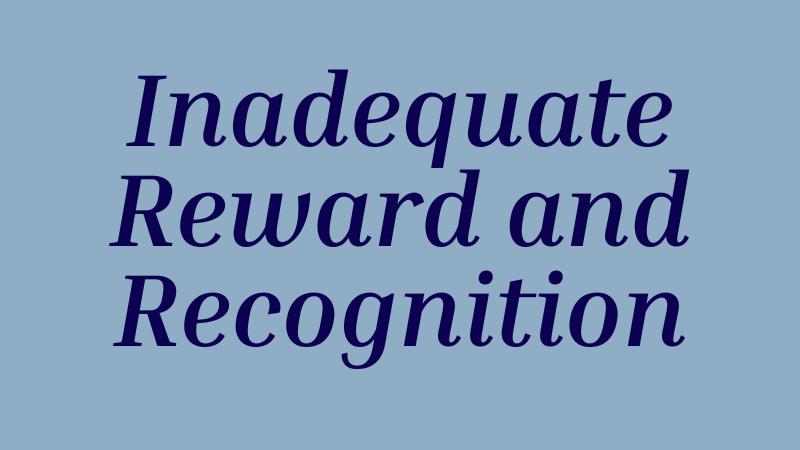
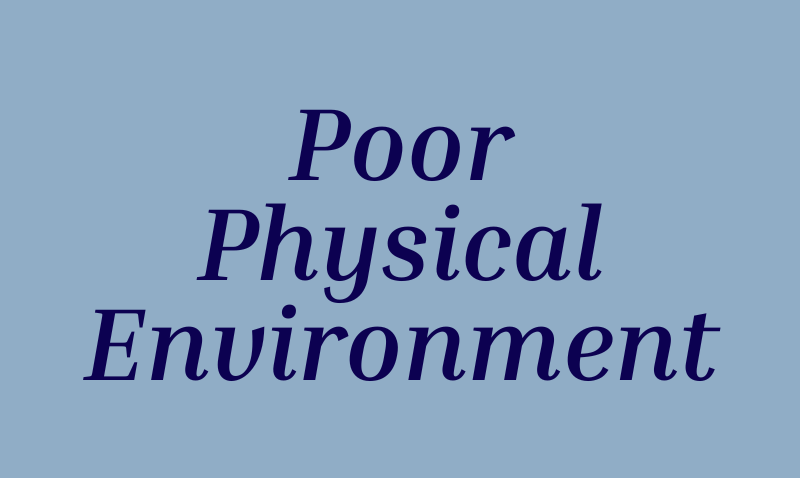
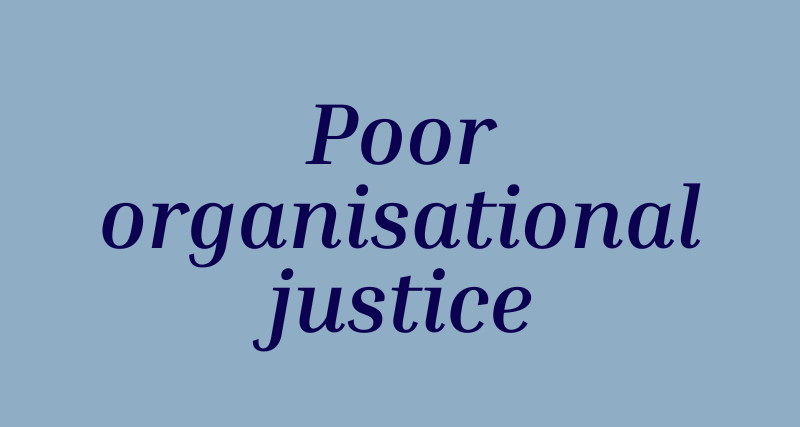
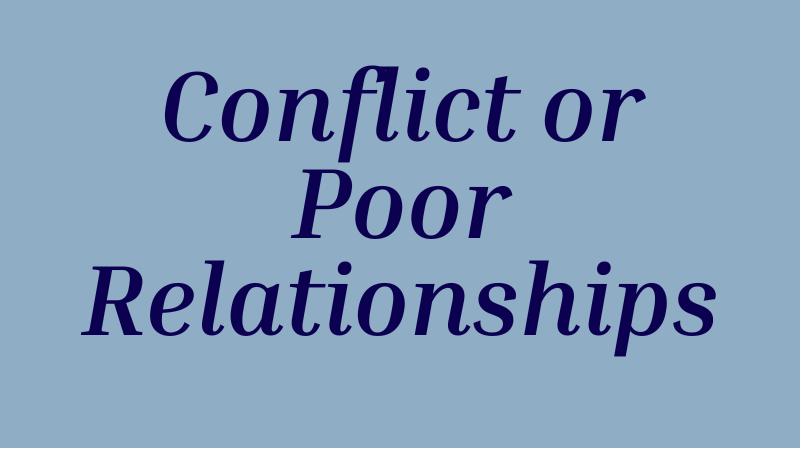
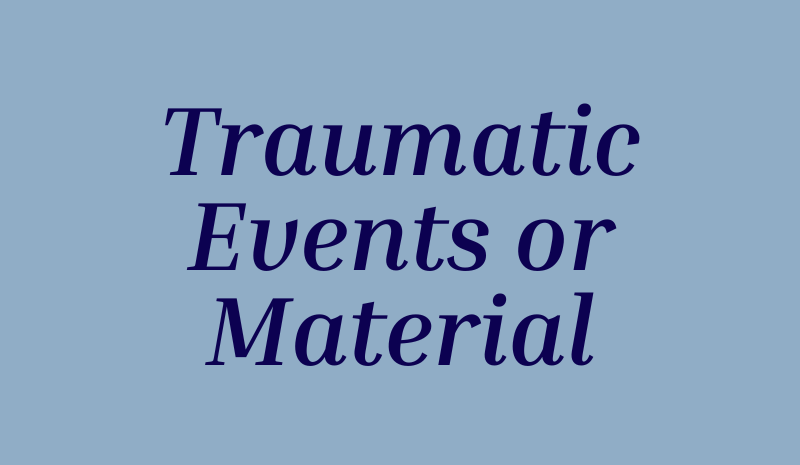

An employee assistance program next to an unmanageable workload is the same as having a first aid kit next to an unguarded blade.
Workplaces typically have several psychosocial hazards at the same time. The above list is not meant to become a checklist, rather, it gives consultation feedback and clearer incident reporting categories to fall into.
Every Australian jurisdiction now explicitly regulates psychosocial hazards.
Back in 2022, the model WHS regulations were amended (Australia wide) which specifically names the hazards and stipulated that they require risk management. Each State and Territory adopted the changes progressively, and codes of practice set out the expected approach.
No different to physical risks and no different to NZ, the duty holder is the business, the standard is reasonably practicable, and consultation with workers along the way is itself a legal requirement.
So, what does it all mean?
The practical translation is that you identify the hazards using the data you already hold (absences, turnover, complaints, incident reports, and what workers tell you when asked), control them at the source by changing how work is designed and managed, and review the controls like you would any safety control.
It is important to realise that documentation carries the same weight it does everywhere else in health and safety. Evidence is key – if you cannot record it we cannot believe it.
Just like managing physical risks, psychosocial risk management follows the same process.
1. Identify: Consult workers directly and read the data you already have: absence patterns, turnover by team, complaints, incident reports, and exit interviews. Hazards hide in plain sight in this data.
2. Assess: How likely, how severe, how many people, and how the hazards combine. An intolerable workload, a two-person team, and an aggressive client base combine into a different risk than any element alone.
3. Control at the source: Using the Hierarchy of Controls change the work: staffing against demand, clear role descriptions, rostering that limits exposure, reporting channels people trust, management training on how conduct lands. Individual support helps people. Source controls remove hazards.
4. Review: On a scheduled basis, after incidents, and after restructures, which are themselves a listed hazard when handled badly.
What Evidence Looks Like
If Worksafe asks about psychological safety, the questions will be practical. Which hazards did you identify; what changed; who was trained and when; what did workers say during consultation; what happened after the most recent complaint; etc.
The evidence itself is already familiar with dated risk assessments with owners; policy acknowledgements; training records; incident reports with closed actions; and consultation notes. All sounds familiar, doesn’t it?!!
Psychosocial compliance fails for the same reason physical compliance does: missing evidence, not lack of intent.
Common Employer Mistakes
Responding with wellbeing perks while the hazard (usually workload or conduct) stays untouched.
Treating psychosocial risk as an HR matter, so it never enters the risk register or reaches officers.
Running resilience training as the control, which trains people to endure the hazard.
Consulting nobody, then discovering the real hazards in a claim rather than a survey.
Policies and training that predate the 2022-2025 rule changes.
No psychosocial categories in incident reporting, so the data that would reveal hazards never gets captured.